Installing hardwood flooring can feel a bit overwhelming at first. But with the right approach, it’s a project that’s completely within reach. You don’t need to be an expert to do it right. With the proper tools, clear steps, and a bit of attention to detail, you can move forward with confidence from the first row all the way to the finishing touches.
Installing hardwood flooring follows a clear sequence: let the wood adjust to the room, check the subfloor, gather the right tools, lay the first rows, continue the installation, make precise cuts, finish the last boards, and sand the surface.
In other words, you move forward one step at a time. And that’s exactly what makes the project simpler than it seems.
Before getting started, there’s one step that’s sometimes overlooked but it can make all the difference.
The wood needs time to acclimate to the room for a few days. In simple terms, you let the boards sit in the space so they can adjust to the temperature and humidity levels.
Why does this matter? Because wood naturally moves. If you install it too quickly, it can expand, contract, or create small gaps over time.
It’s a simple step, but an important one. The good news? It doesn’t require any special skills just a bit of patience.
Properly acclimated wood helps prevent movement after installation.
The subfloor is simply the surface your flooring will be installed on. Before moving forward, make sure it is:
This is a key step, because everything depends on this foundation. If the surface isn’t level enough, the boards may not fit together properly or could shift slightly underfoot.
As a simple guideline, the surface should feel stable when you walk on it and look even enough for the boards to sit flat.
If you notice a significant issue, it’s best to fix it before you begin. It’s much easier than trying to correct it later.
A well-prepared subfloor leads to a more stable floor and a cleaner final result.
Before laying your first board, make sure you have everything within reach. It’s often the small, overlooked items that slow a project down.
When everything is ready from the beginning, the work becomes much simpler. You avoid interruptions, keep your momentum, and move forward with confidence.
It’s also a great way to reduce stress. You won’t have to stop midway to look for a missing part or forgotten accessory.
Preparing everything ahead of time helps make the entire project smoother from start to finish.
The first rows require a bit more attention. That’s completely normal it’s also the most important step to get off to a solid start.
At this stage, the goal is simple: lay the first boards perfectly straight and leave an expansion gap, meaning a small space along the walls to allow the wood to move naturally.
How can you tell you’re on the right track? The first boards should follow a straight line, without visible deviation, and sit flat on the surface.
Take the time to:
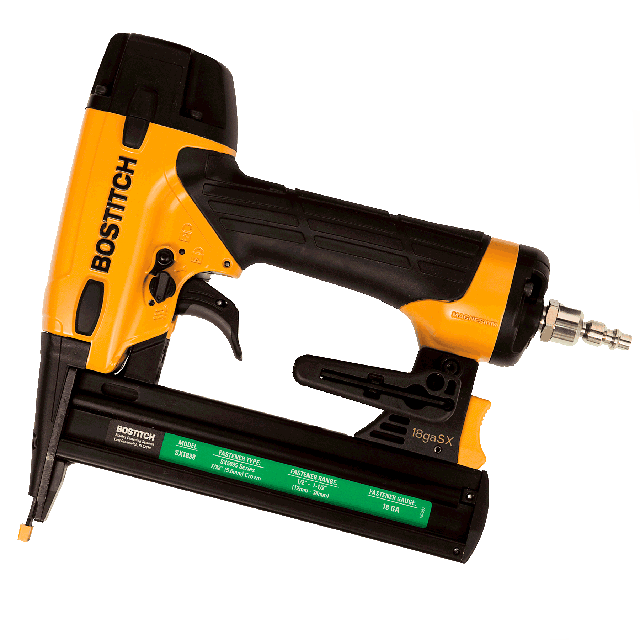
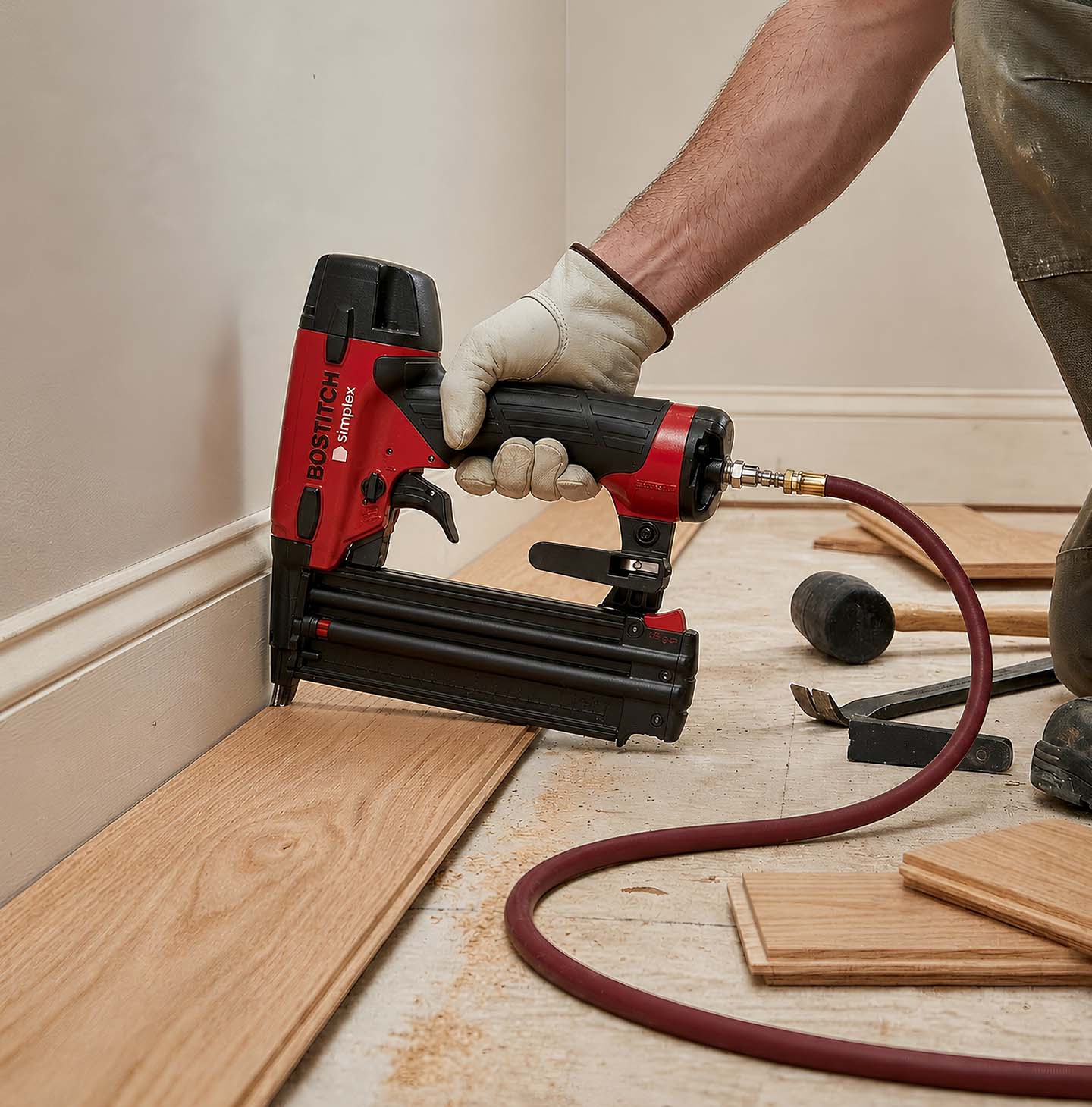
This tool becomes useful in tighter areas where the flooring stapler can’t reach, such as at the beginning of the installation or along the walls. It allows you to secure the boards with precision where more control is needed. Don’t let this tool intimidate you. At this stage, it’s mainly there to help you get started properly without forcing the boards or improvising. A strong start helps you maintain proper alignment all the way through.
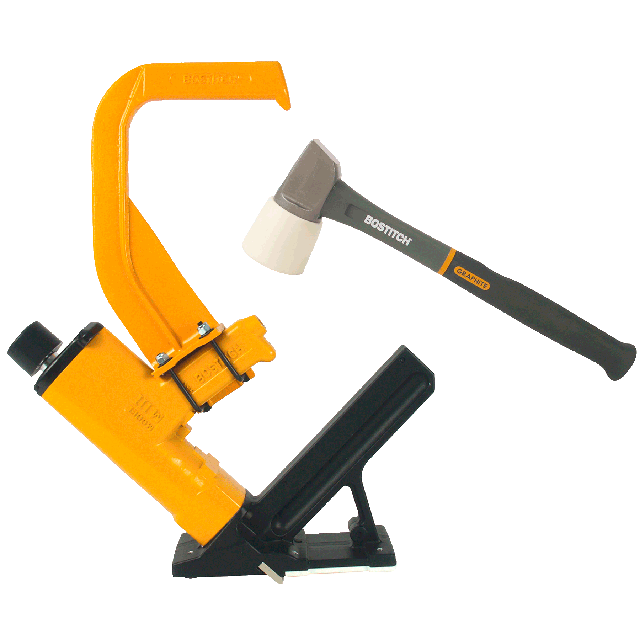
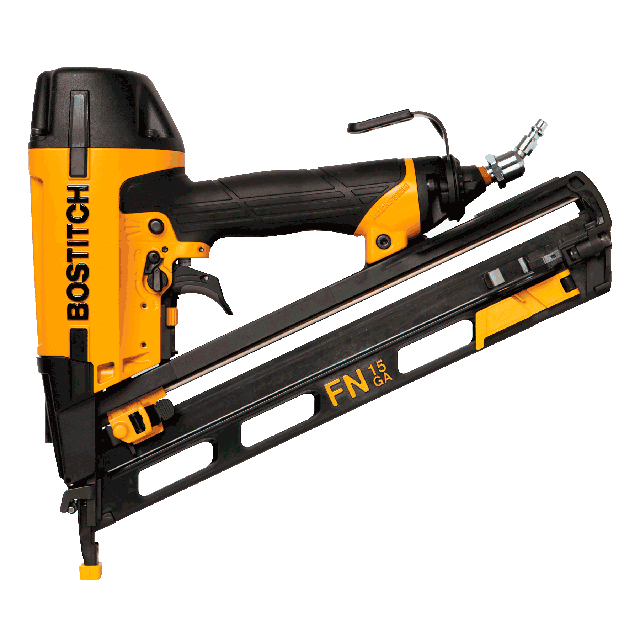
Finish NailerOnce the first rows are in place, the process becomes easier. This is usually when you switch to a flooring stapler, the main tool used to secure the boards evenly.
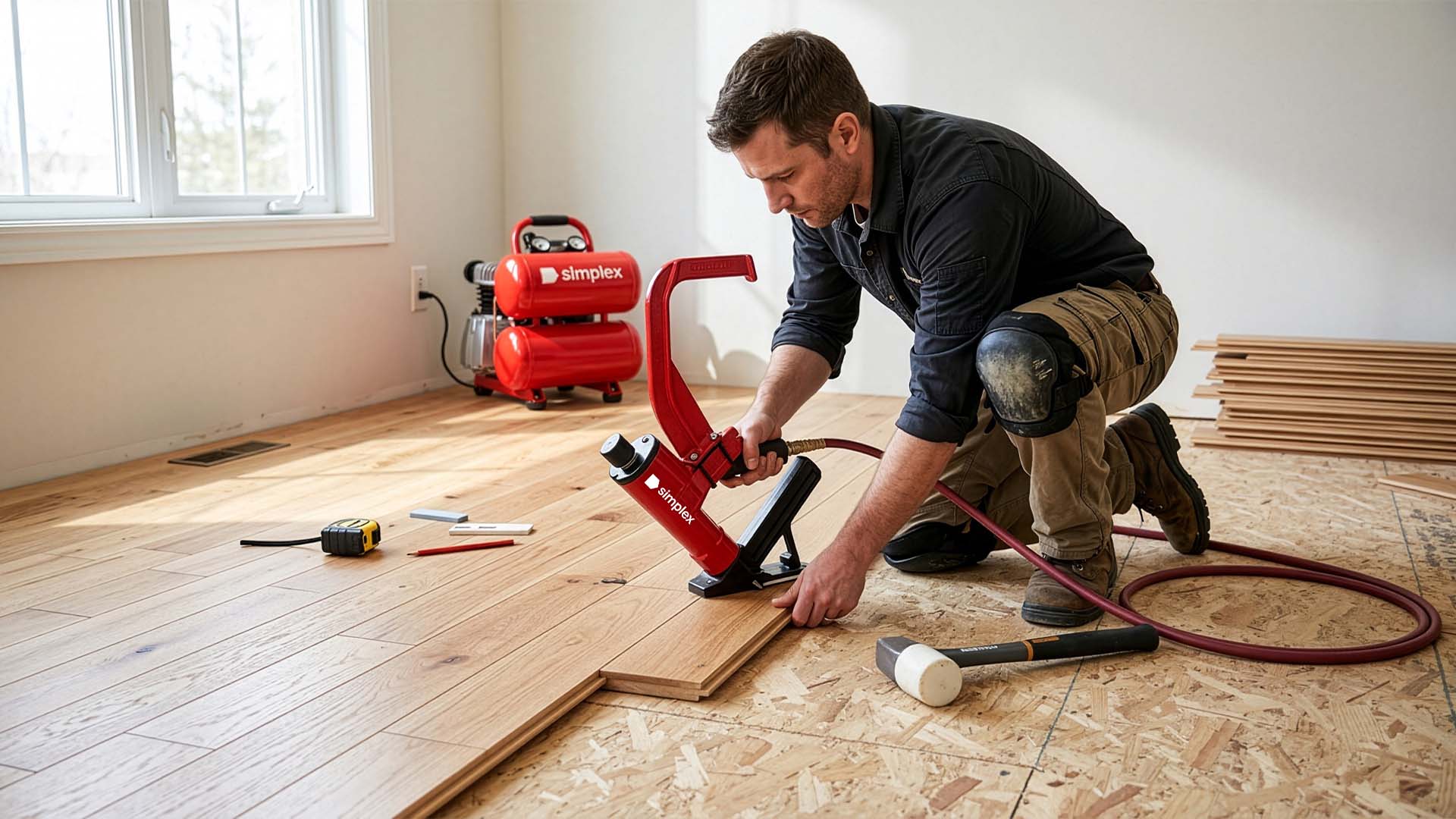
This tool is used to secure each board firmly, without leaving visible fasteners on the surface. You position it against the board, then strike it with the mallet to drive the staple into the tongue—the part that fits into the next board.
The tool is there to guide your movement, not make it more complicated. After a few practice tries on a scrap piece of wood, the motion quickly feels more natural.
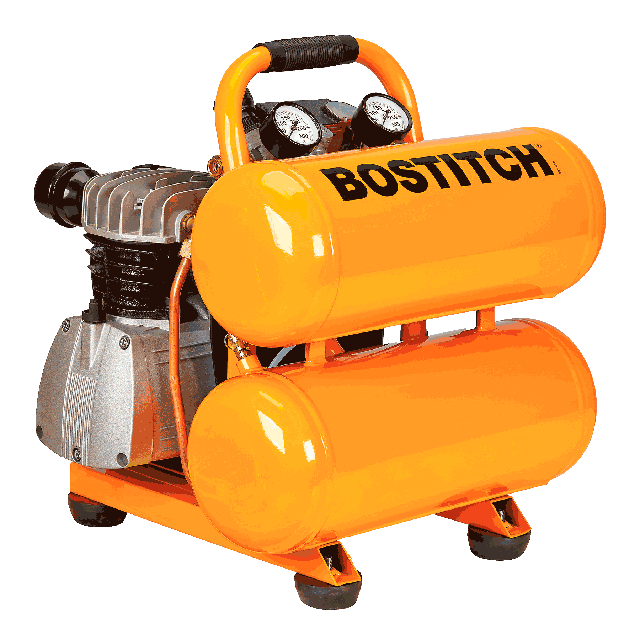
To operate the stapler, you’ll need an air compressor. The air hose connects the two and gives you enough freedom to move without restriction.
In other words, the stapler secures the board, and the compressor provides the power behind it. The two work together.
A good rule of thumb: if the boards fit together well, stay aligned, and no fasteners are visible on the surface, you’re on the right track.
With the right equipment, installation becomes smoother, more stable, and much less intimidating.
Each new row locks into the previous one. At this stage, the most important thing is to keep a steady pace and regularly check that everything stays aligned.
To ensure a clean result, remember to:
There’s no need to rush. The safest approach is to move forward steadily and fix any small shift as soon as it appears.
The goal isn’t to go faster it’s to stay consistent.
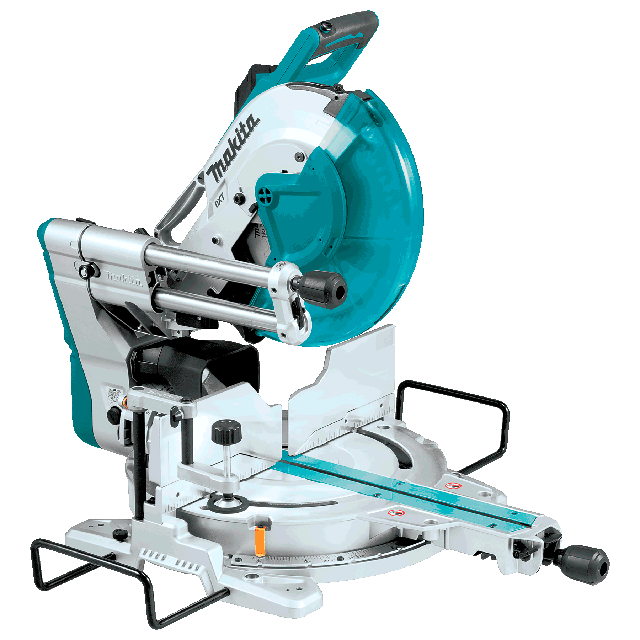
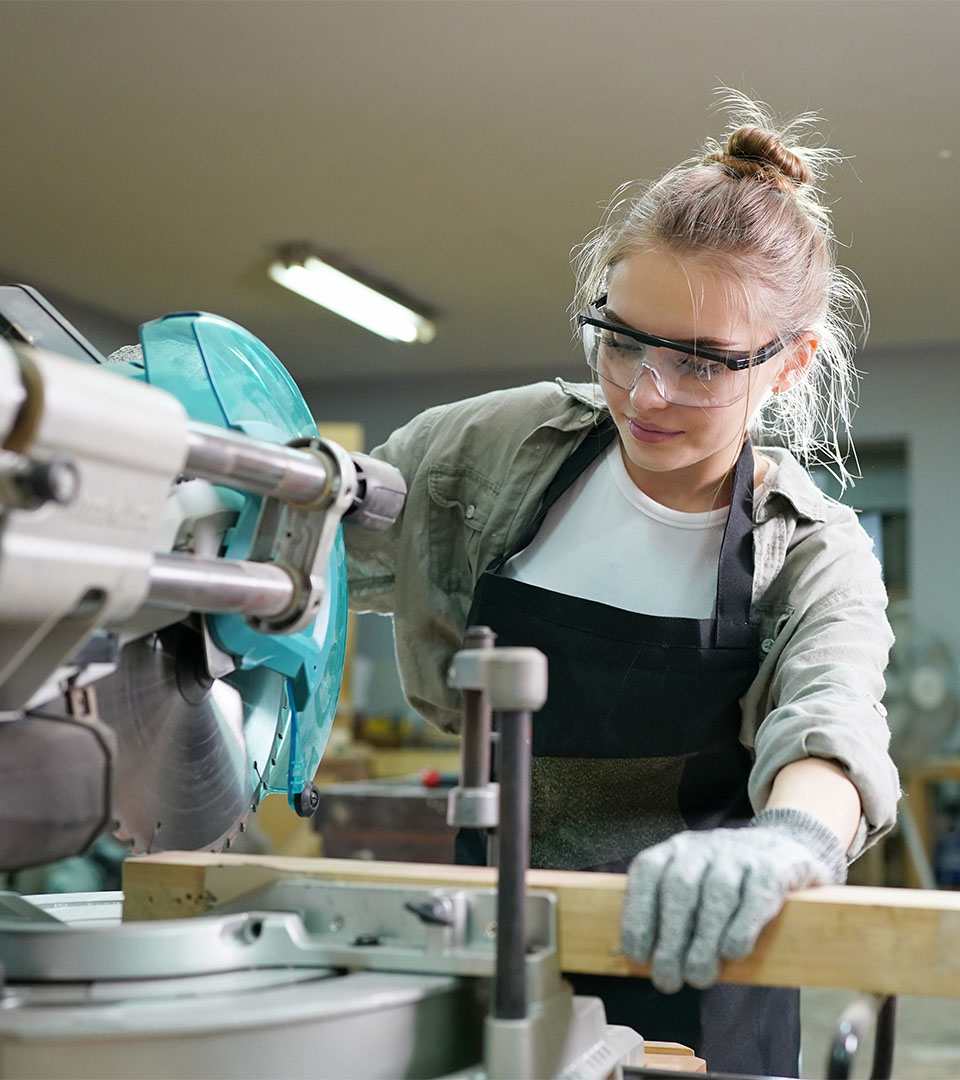
At the ends of the room or around obstacles, you’ll need to adjust the boards carefully. This is where a miter saw becomes especially useful.
This tool is used to make straight, clean, and precise cuts when a board needs to be shortened or adjusted. The cleaner the cut, the easier it is to continue the installation. Choosing between the two sizes mainly depends on the type of cuts you need to make and the width of the boards. In both cases, the goal remains the same: achieve a stable, precise cut without making the job more complicated. A good habit is to test your cut on a scrap piece before making the final cut. It’s simple, reassuring, and helps ensure everything fits properly. A good rule of thumb: a proper cut fits easily into place, without forcing it and without leaving visible gaps. A clean cut helps prevent visible gaps and improves the final result.
Sliding miter saw 12 poJust like at the beginning, the last rows often require a slightly different approach. The space becomes tighter, and the flooring stapler is not always the most practical tool.
This is where it comes back into play. The finish nailer is used to secure the last boards in areas where there isn’t enough clearance to use the flooring stapler.
It allows you to complete the job cleanly, without compromising the strength of the installation.
At this stage, take your time. In tighter spaces, precision matters more than speed.
This way, you maintain the same level of stability right through to the final row.
Once the flooring is installed, it’s time for the finishing touches. If your boards are not prefinished, sanding helps create an even surface and prepares the floor for a cleaner final look.
To learn more about this step, check out our complete guide to hardwood floor sanding.
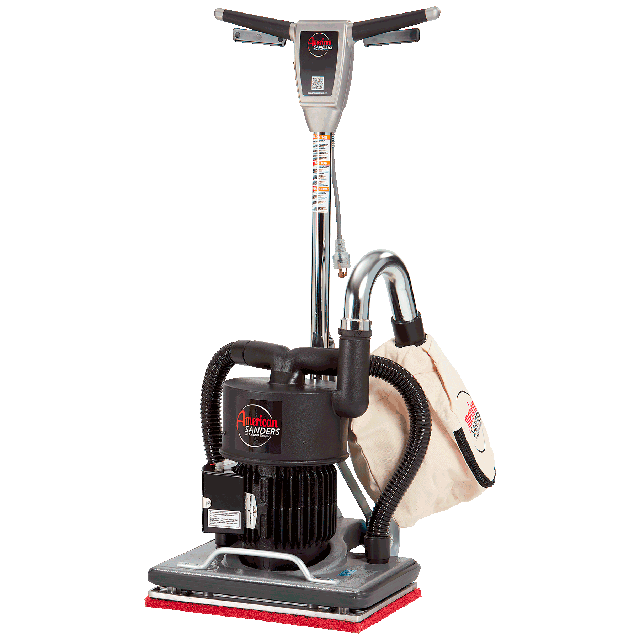
This tool is used to smooth the floor and correct any small imperfections left after installation. It works with sandpaper suited to the machine’s size.
Its dust collection system is especially useful, as it helps reduce airborne dust while you work. It’s more comfortable, cleaner, and much easier to manage especially in a residential space.
The goal isn’t to remove a lot of material, but to gently even out the surface. If the floor feels smoother to the touch and small marks start to fade, you’re on the right track.
A good sanding job helps give your floor its final, clean, and polished look.
Installing hardwood flooring can feel like a big project at first. But when you take it one step at a time, it quickly becomes much more manageable than it seems.
Here’s what matters most: a solid foundation, the right tools at the right time, and a steady pace without rushing through the steps.
You don’t need to move fast to do it right. What really makes the difference is a good method, simple guidelines, and a bit of attention to detail.
And if you ever have a question, we’re here to help.