Your yard has plenty of potential, and a few well-chosen projects can make a real difference to your landscaping. Aerating your lawn, preparing a garden bed, planting shrubs, or trimming hedges are all landscaping projects you can take on yourself with the right tools. Here are 7 manageable projects and the equipment that can help you get the job done more efficiently.
Over time and with repeated foot traffic, the soil beneath your lawn can become compacted. A layer of thatch made up in part of plant material that accumulates between the soil and the grass blades, can also develop. Depending on the condition of your lawn, aerating or dethatching may be worth considering.
These two tasks address different needs. Aeration works the soil by creating openings that help air and water circulate, while dethatching removes some of the thatch that has accumulated on the soil surface.
A lawn aerator is designed to loosen compacted soil, while a dethatcher removes accumulated thatch from your lawn. Before choosing your equipment, take a look at the condition of your grass and determine which problem you need to address.
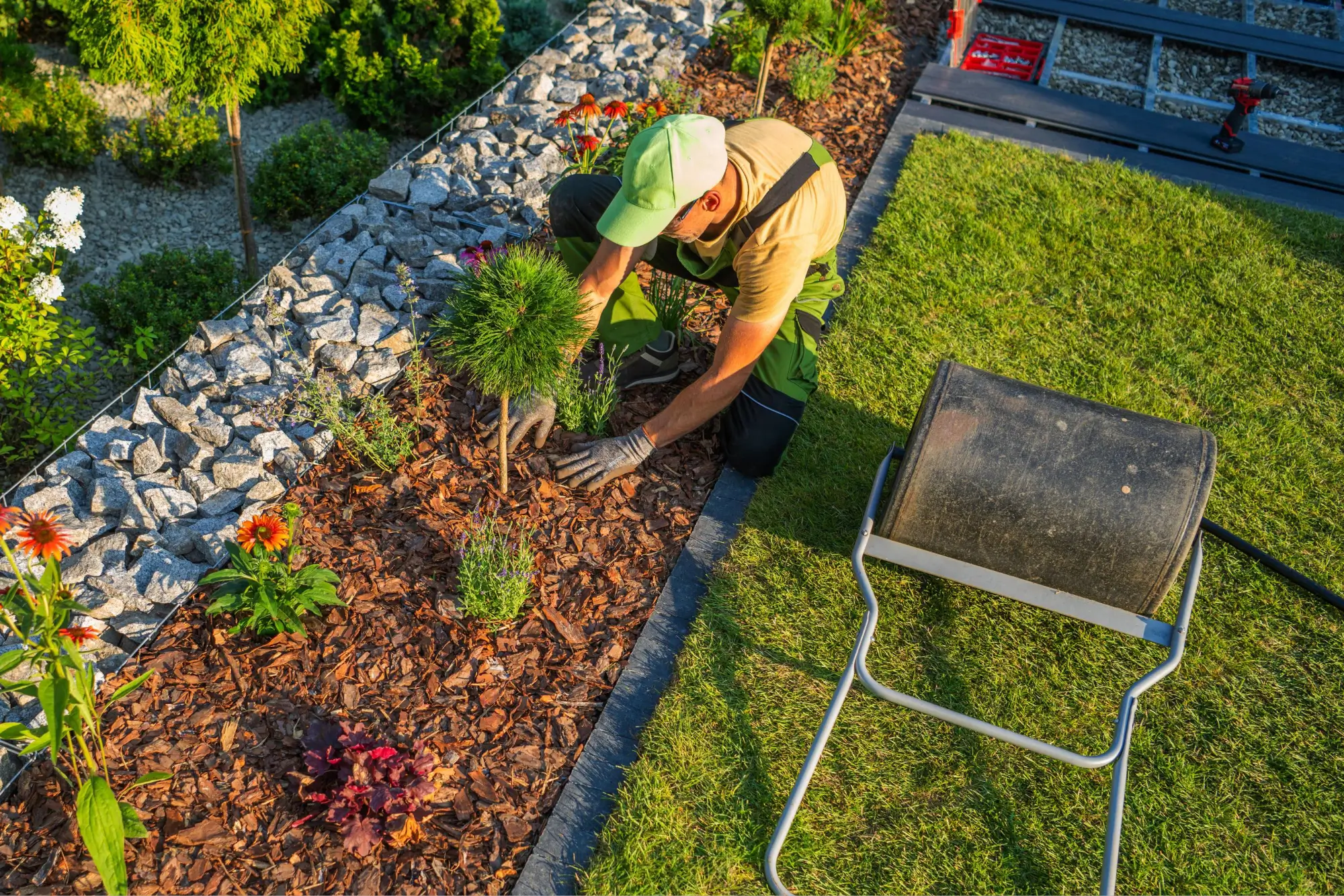
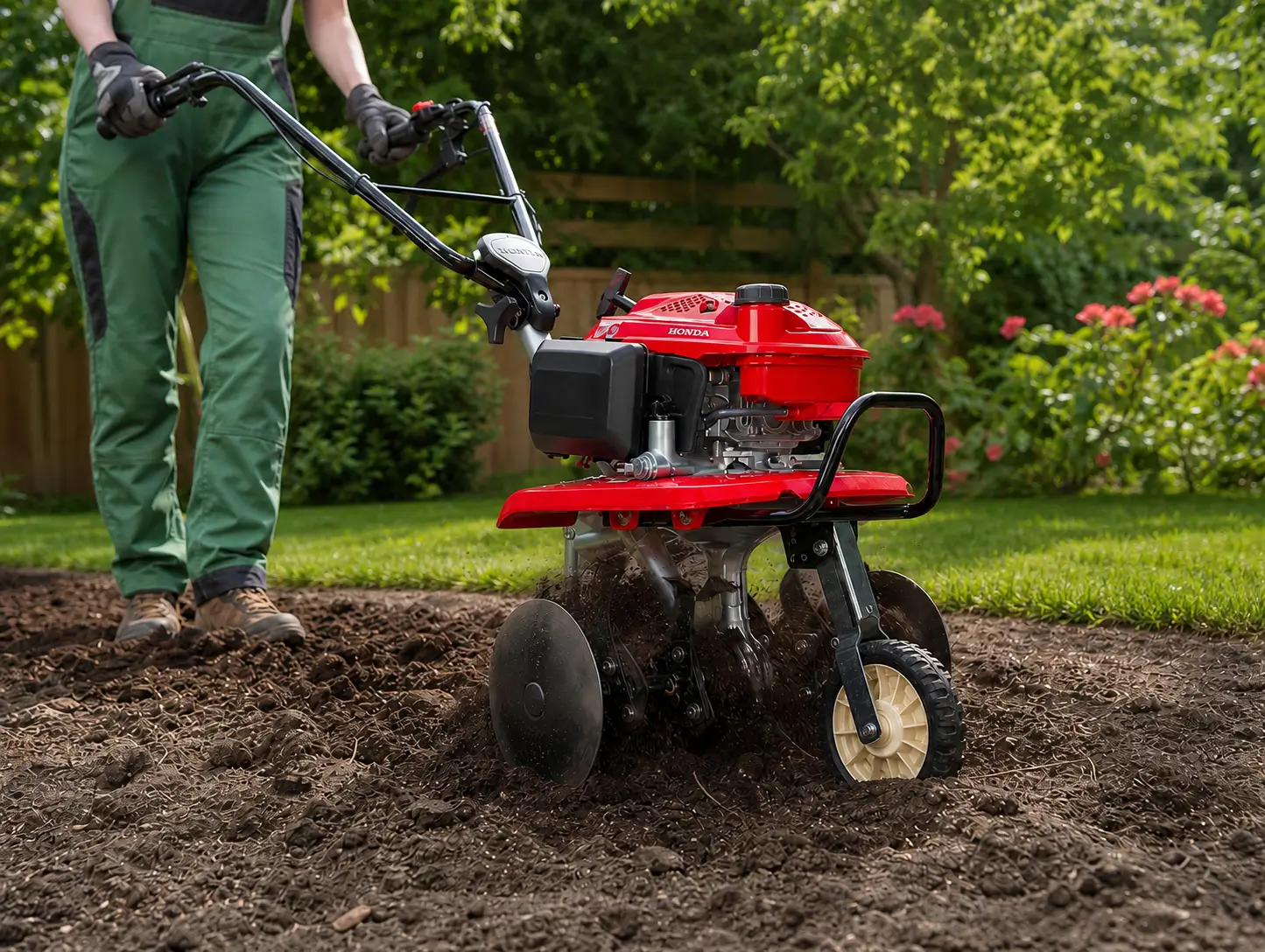
Creating a new garden bed or expanding a planting area starts with properly preparing the soil. Working the soil by hand can require a lot of effort, especially when you have a large area to cover or the soil is difficult to work.
A rototiller can help break up and loosen the soil before planting. It can be a useful tool for preparing a new garden area and making the next steps easier.
Your choice will depend mainly on the size of the area and the condition of the ground. For a small, easy-to-work area, hand tools may be enough. For larger areas or soil that requires more effort to work, powered equipment such as a tiller may be more appropriate.
Before getting started, assess the conditions of your property and make sure the equipment you choose is suitable for the job.
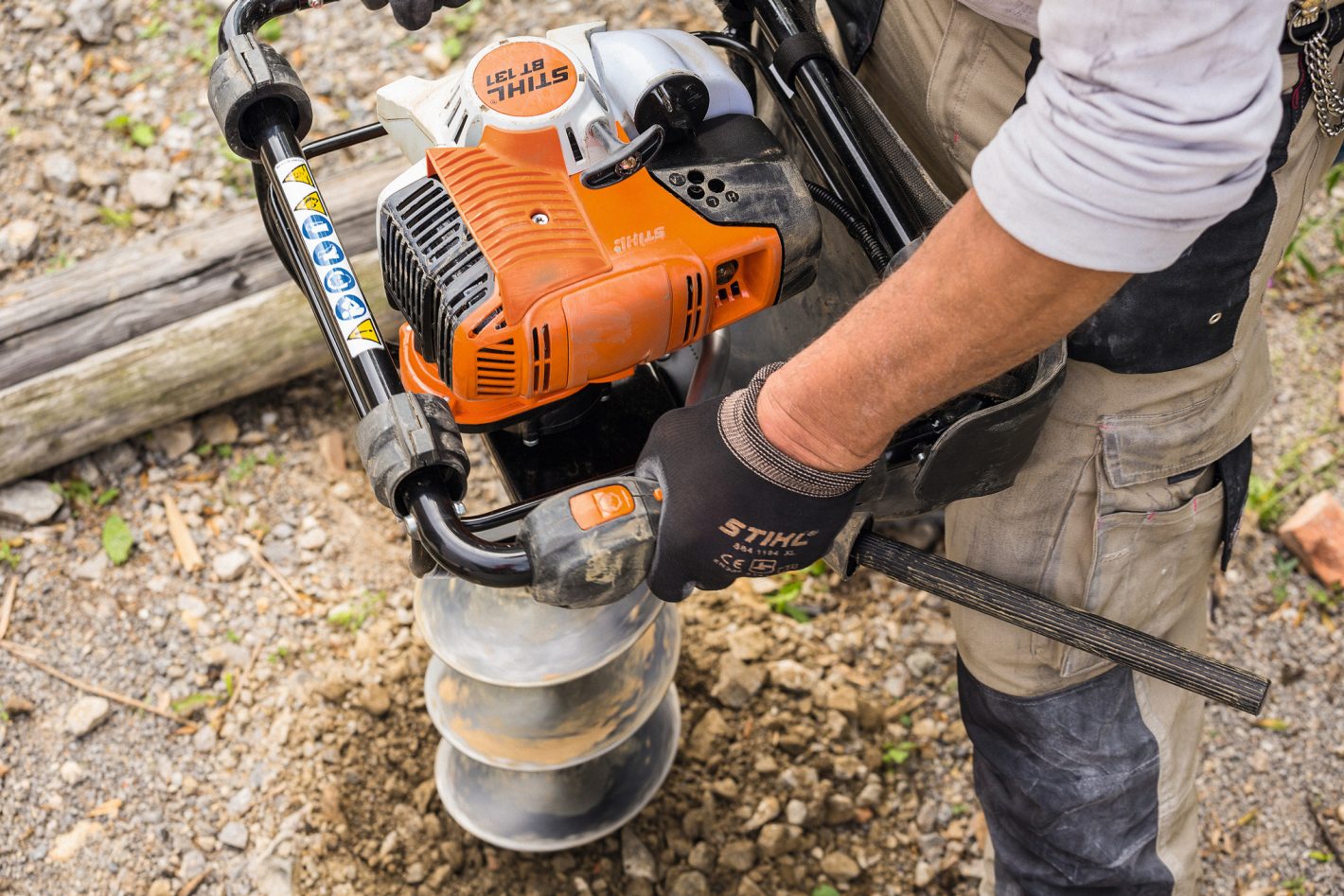
Whether you’re adding shrubs, installing posts, or completing other outdoor projects, digging several holes by hand can quickly become demanding. An auger can make this step easier when your project requires multiple consistent holes.
An auger can be a practical choice when a project requires several holes, such as for planting or installing posts. It helps reduce the amount of manual digging involved.
However, the right equipment will depend on both the project and the terrain. The required hole diameter and depth, along with soil conditions, are important factors to consider when choosing an auger.
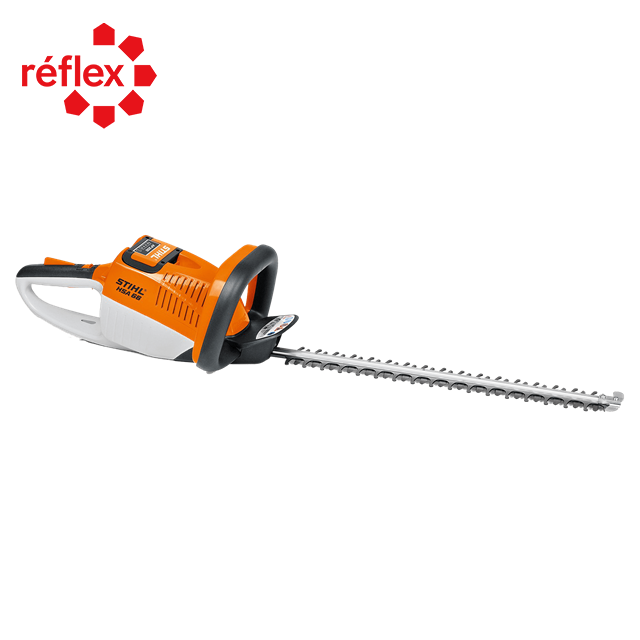
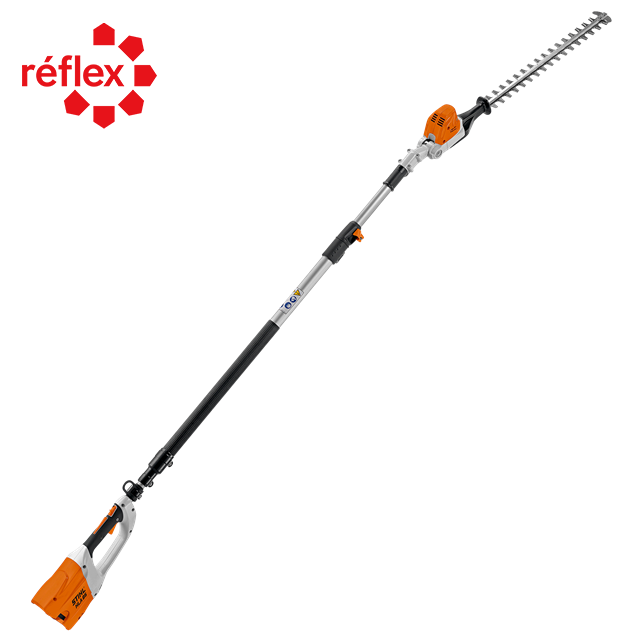
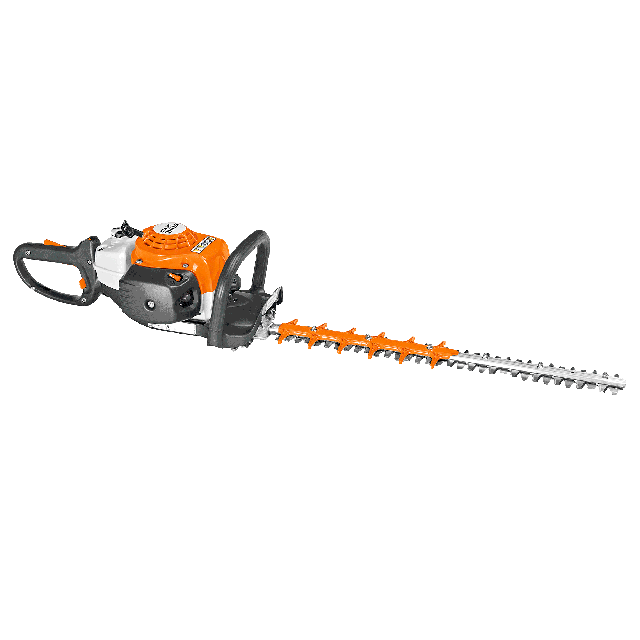
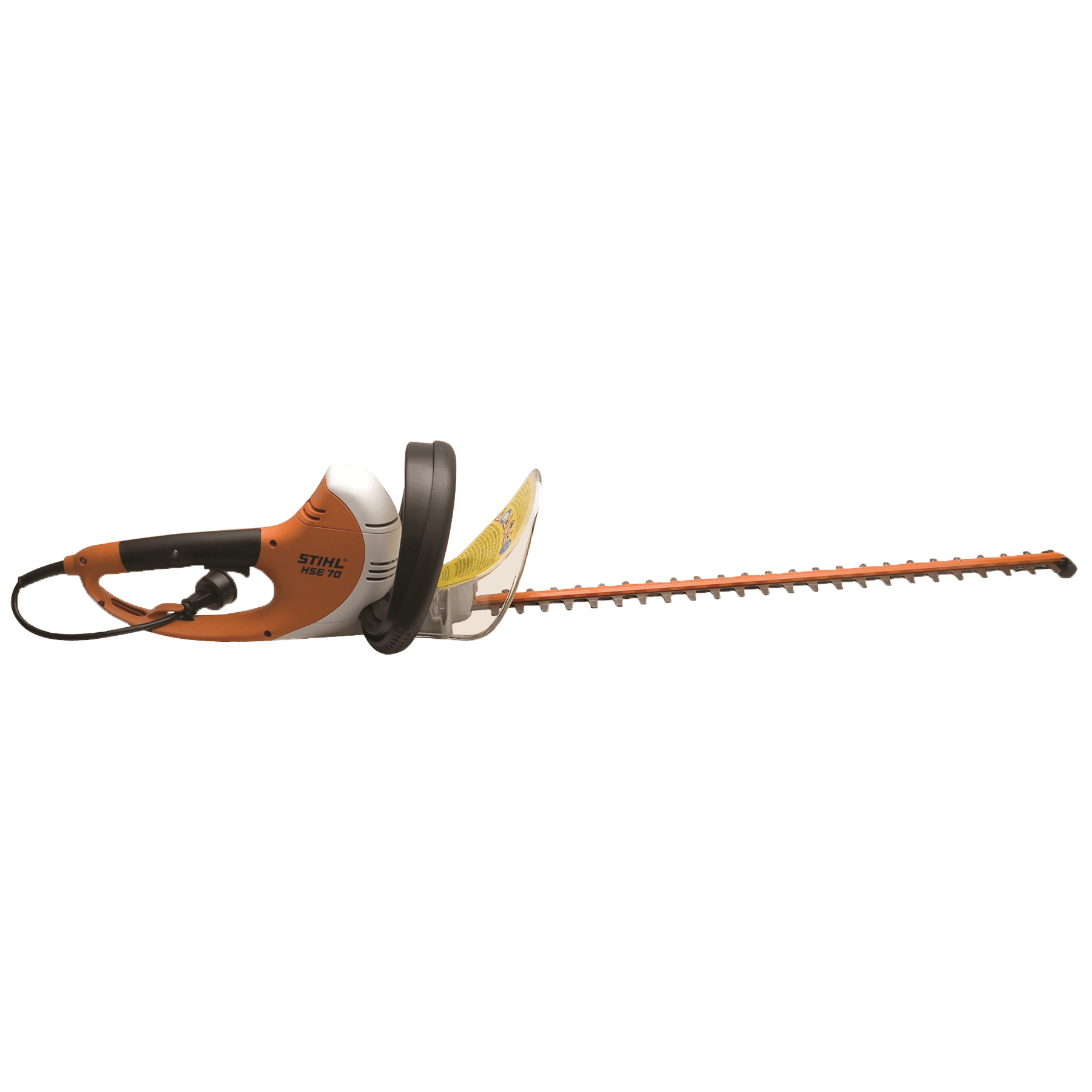
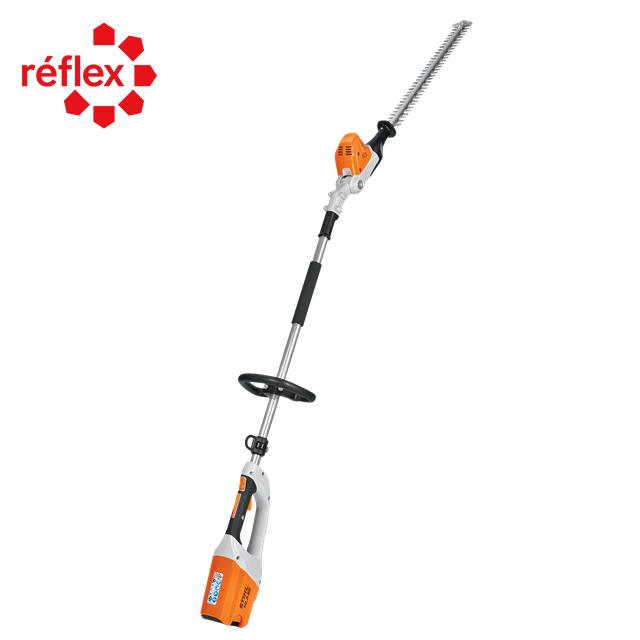
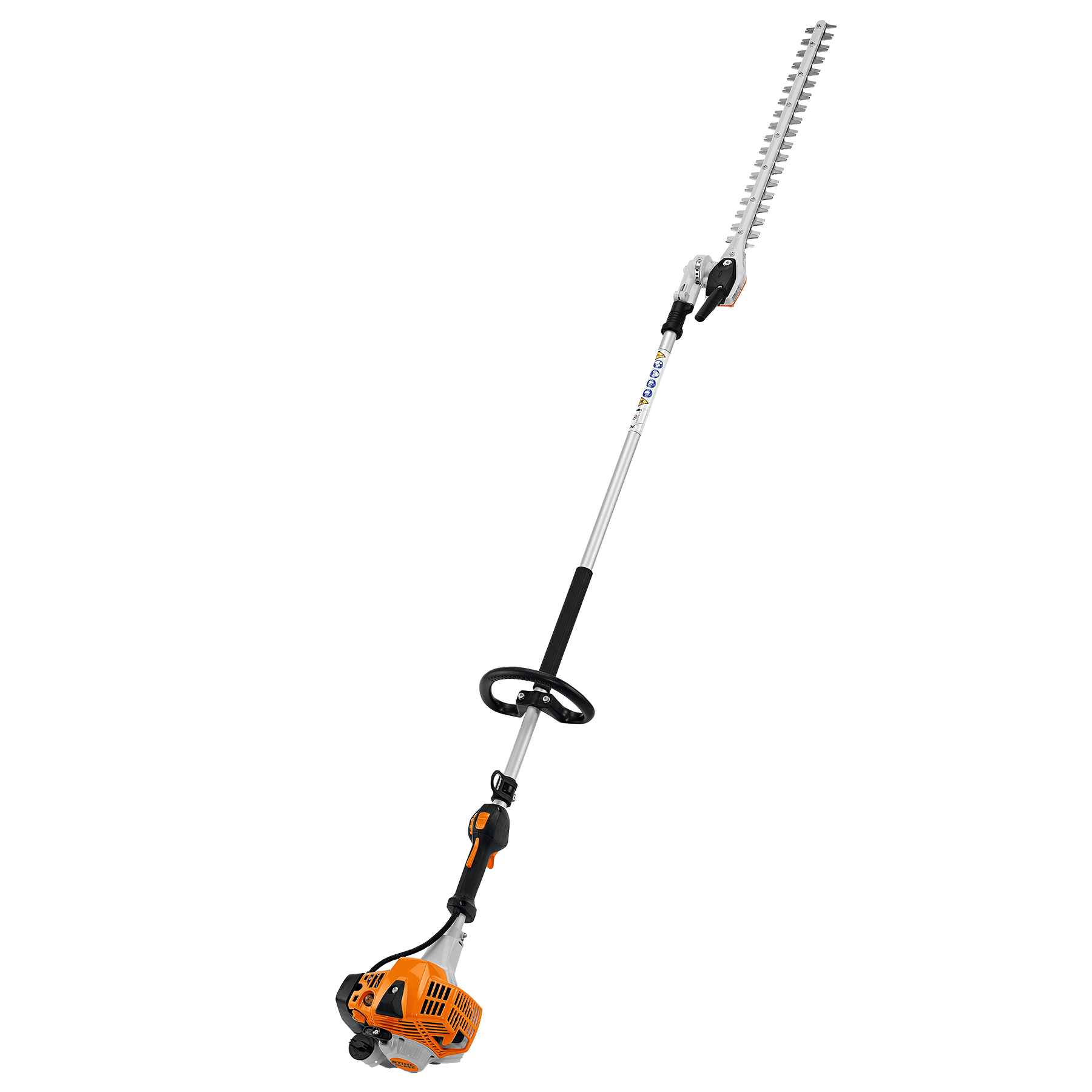
Trimming your hedges helps control their shape and maintain a neat appearance around your property. Depending on their height and accessibility, you may need different types of hedge trimmers.
A hedge trimmer is designed to cut new growth and smaller branches across a wider area, helping you achieve a more even finish.
The right hedge trimmer depends on the size of the hedge, how easy it is to access, and the type of vegetation you need to cut. Reach is another important consideration when some sections are harder to access.
Before trimming, make sure the tool you choose is suitable for the diameter of the branches you need to cut. Larger branches may require a different type of equipment.
After trimming hedges, mowing the lawn, or completing other maintenance work, leaves and plant debris can quickly pile up. The right equipment for gathering debris and cleaning up your property will depend mainly on the amount of debris and the area you need to cover.
For a small area or a limited amount of debris, a broom may be all you need. A leaf blower is especially useful when you need to gather leaves or lightweight debris spread across a larger area.
Also consider the surface you need to clean. A driveway, patio, lawn, and garden bed may each require a different approach.
Edges, areas around obstacles, and other hard-to-reach spots may require more targeted maintenance than large, open sections of lawn. Additional equipment can help you put the finishing touches on your yard
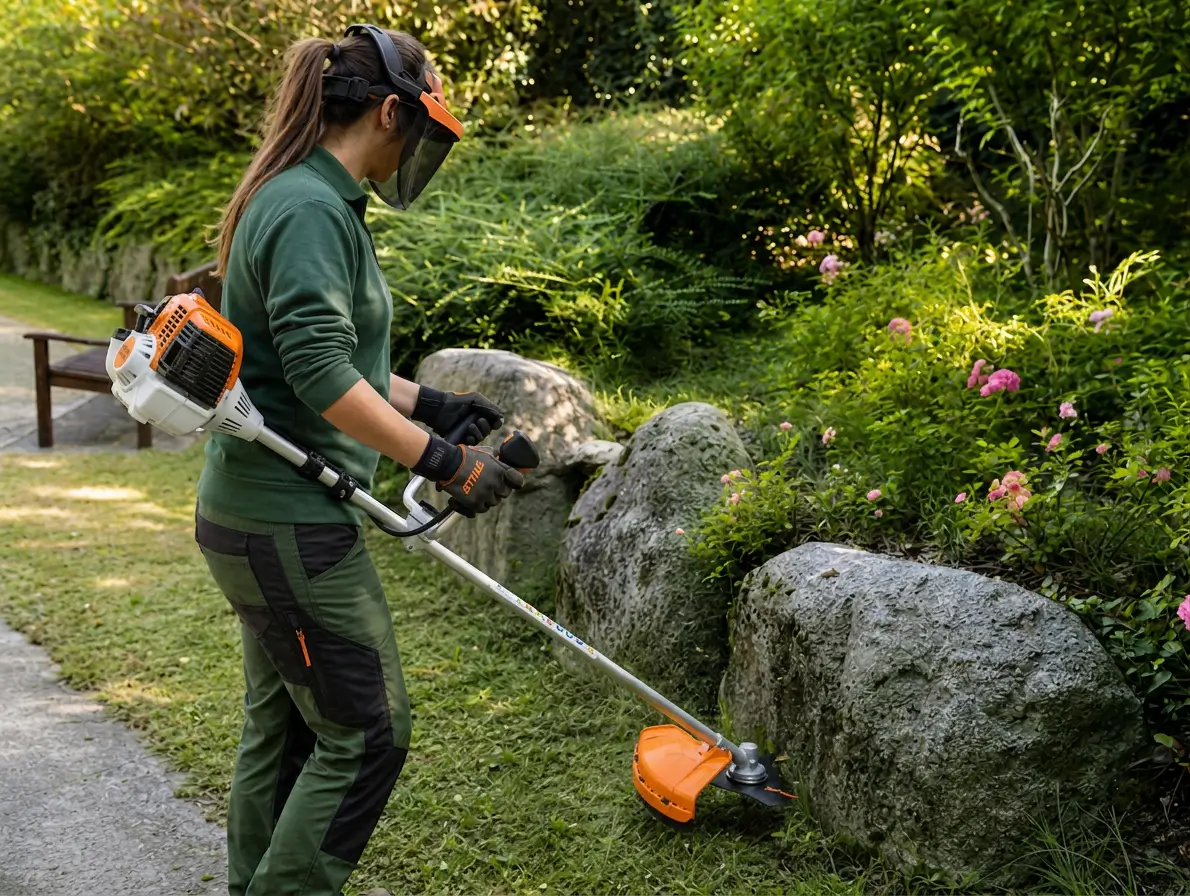
A lawn mower is mainly designed for regular maintenance of accessible grass-covered areas. A brushcutter is better suited to hard-to-reach areas or sections where vegetation requires more targeted cutting.
These two tools serve different purposes. Depending on your property, they can complement each other rather than being interchangeable.
Some branches are too large to cut with a hedge trimmer or standard gardening tools. Depending on the job, a chainsaw may be necessary.
However, this type of equipment requires greater precautions than many other landscaping tools. Before using a chainsaw, it is essential to choose a model suited to the work and follow the recommended operating instructions and safety measures.
A chainsaw is designed for cutting jobs that lighter tools cannot handle properly. The type and diameter of the wood, as well as the working conditions, should all be considered when choosing your equipment.
For pruning at height, larger jobs, or situations involving particular risks, hiring a professional may be a better option than doing the work yourself.
Landscaping isn’t limited to major projects. Aerating your lawn, trimming a hedge, or maintaining edges are all landscaping maintenance tasks that can gradually improve your yard.
For projects that require specialized equipment, renting gives you access to the right tool for the job without having to buy or store it. Before getting started, assess your property, the work involved, and the equipment you’ll need to complete your project successfully.
Dethatching is most useful when a significant layer of thatch has built up between the soil and the grass blades. In Quebec, it’s best to assess the condition of your lawn and soil before taking action rather than automatically dethatching every year. In the spring, other lawn care tasks, such as aeration, can also help maintain a lawn with compacted soil.
The best time to trim a cedar hedge depends on the maintenance required and the condition of the hedge. For routine trimming, late summer can be a good time. In particular, it’s recommended to avoid trimming cedars in June, when birds may be nesting in conifers. Before you begin, always check the hedge for active nests.
Renting is especially practical for specialized tools that you only use occasionally, such as a dethatcher, auger, or tiller. It gives you access to the equipment you need for a specific project without having to buy, store, and maintain it over the long term.
However, buying may be more cost-effective for tools you use regularly. How often you’ll use the tool, its cost, and the storage space available are all good factors to consider when making your decision.