Every landscaping project requires different equipment. Planting trees, removing a stump, preparing a property, or maintaining a lawn does not call for the same tools or the same level of power. Renting the right equipment for each job can improve productivity, save time, and help avoid investing in tools that may only be used occasionally. Here are the main landscaping tools to consider based on the work you need to complete.
Digging several holes by hand can quickly slow down a planting project. When installing trees, shrubs, posts, or other outdoor features, an auger can help crews work faster while producing more consistent holes.
For example, when planting a cedar hedge or installing fence posts, this equipment speeds up repetitive digging while reducing physical effort. For projects where productivity and consistency are essential, a Hydraulic Auger on Wheels helps keep the job site running efficiently from start to finish.
A remaining tree stump can delay an entire landscaping project. Before grading a property or installing new landscaping features, crews may need to remove stumps, roots, or remnants of previous outdoor installations.
In these situations, a stump grinder can remove major obstacles more efficiently than manual methods. This may be necessary when a stump interferes with the installation of a fence, patio, new lawn, or other landscaping feature.
The main advantage is that it clears the work area quickly, allowing the next stages of the project to continue with fewer delays.
A healthy lawn also depends on properly aerated soil. When the soil becomes compacted, a lawn aerator helps improve the movement of air, water, and nutrients through the ground. This can support healthier growth and improve the overall appearance of the lawn.
This equipment can be especially useful in the spring or fall when the soil shows signs of compaction or poor drainage. For landscaping companies, aeration is a practical way to offer more complete lawn care and improve the visible quality of the finished work.
Beyond saving time, a lawn aerator adds a specialized service that can provide real value to the customer.
The finishing details are often the first things a customer notices. A neatly trimmed hedge, clean edges, and a tidy work area all contribute to the perceived quality of a completed project.
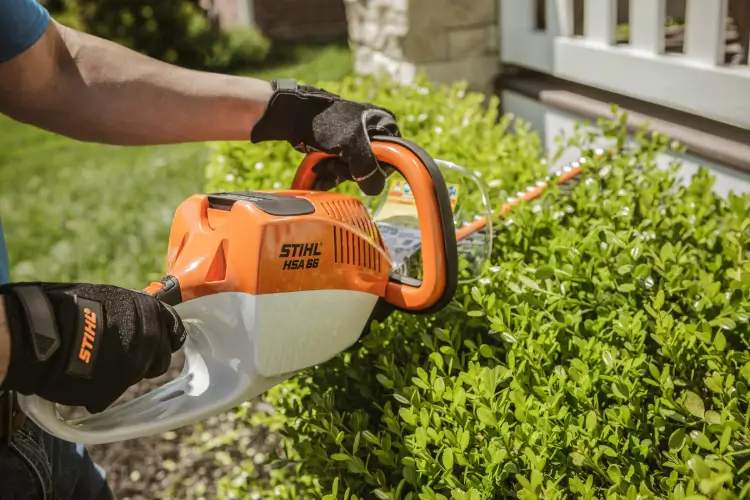
Depending on the job, tools such as a hedge trimmer or leaf blower can improve efficiency while maintaining a professional finish.
A hedge trimmer can help maintain mature hedges, shape shrubs, and complete detailed cutting work more efficiently. It is particularly useful when the project requires a consistent and polished appearance.
A leaf blower makes it easier to remove leaves, grass clippings, and other debris after the work is complete. It helps crews finish the job faster while leaving the property clean and ready for the customer.
The goal is not only to work quickly, but also to deliver a clean result down to the final detail.
Not every contract requires the same equipment. Some jobs call for one specialized machine, while others involve several types of work over a short period.
Landscaping equipment rental offers greater flexibility in these situations. It allows a company to match its equipment to each project, respond to seasonal demand, and take on different types of work without purchasing a complete fleet of machines.
This flexibility can also make it easier to manage unexpected needs while controlling equipment, storage, and maintenance costs.
Not every contract requires the same equipment. Some jobs call for one specialized machine, while others involve several types of work over a short period.
Landscaping equipment rental offers greater flexibility in these situations. It allows a company to match its equipment to each project, respond to seasonal demand, and take on different types of work without purchasing a complete fleet of machines.
This flexibility can also make it easier to manage unexpected needs while controlling equipment, storage, and maintenance costs.
Before reserving equipment, take a few minutes to assess the needs and conditions of the project. Consider the following questions:
Reviewing these factors can help you select equipment that is properly suited to the job rather than adjusting the work around the tools already available.
Every landscaping project comes with its own requirements. Selecting equipment that matches the work to be completed can save time, improve the quality of the finished result, and give you access to specialized tools only when you need them.
Renting landscaping equipment provides the flexibility to adapt to different types of projects while avoiding the cost of purchasing machines that may only be used occasionally.
Demand for landscaping equipment is often higher during busy periods, particularly in the spring and early summer. Booking ahead can help improve the chances that the equipment you need will be available.
The right choice depends on the project, the required power, the desired runtime, and access to a power source. Each option has advantages depending on the work environment and how the equipment will be used.
The type of work, terrain, access conditions, and expected duration of the project are key factors to consider. A rental specialist can also help recommend equipment suited to the specific requirements of the job.
Choosing the right equipment is an important part of planning an efficient landscaping project. By renting tools suited to the work, you can improve productivity, maintain a high standard of quality, and avoid investing in equipment that may only be used occasionally.