When poor air circulation, excess moisture or airborne dust become a challenge, having the right equipment can make all the difference on a jobsite. Construction fans, duct fans, dehumidifiers and HEPA air scrubbers help improve working conditions and support a wide range of applications. Here's an overview of the essential equipment to help you choose the right solution for your job.
In construction, industrial and service environments, ventilation does more than simply move air. It helps create safer, more comfortable working conditions, manage moisture, speed up certain tasks and keep operations running efficiently.
Depending on the jobsite, your ventilation needs may include:
This is where equipment rental makes sense. Instead of purchasing multiple units to cover every situation, you can choose the right equipment for each project while keeping costs and equipment management under control.
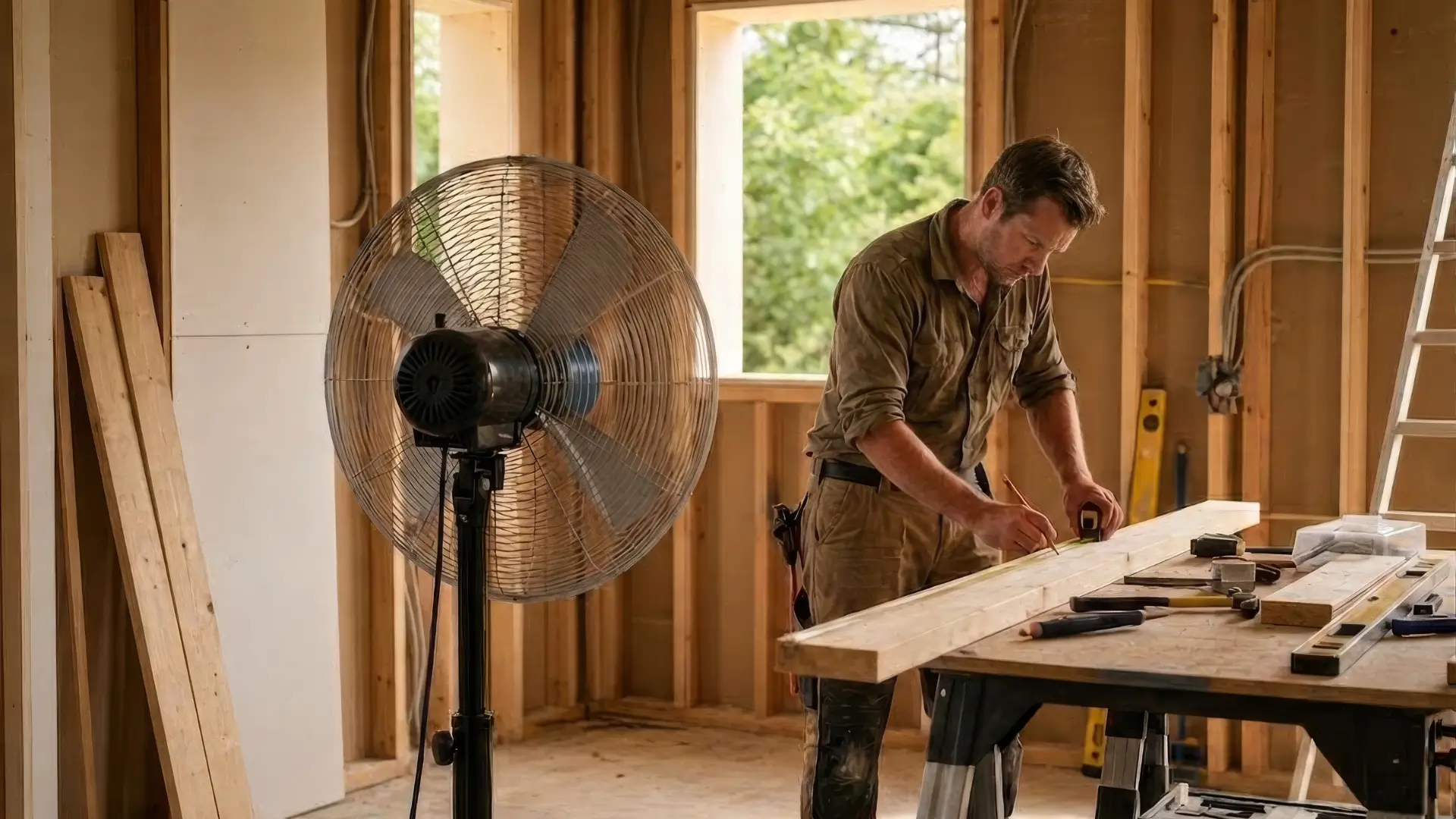
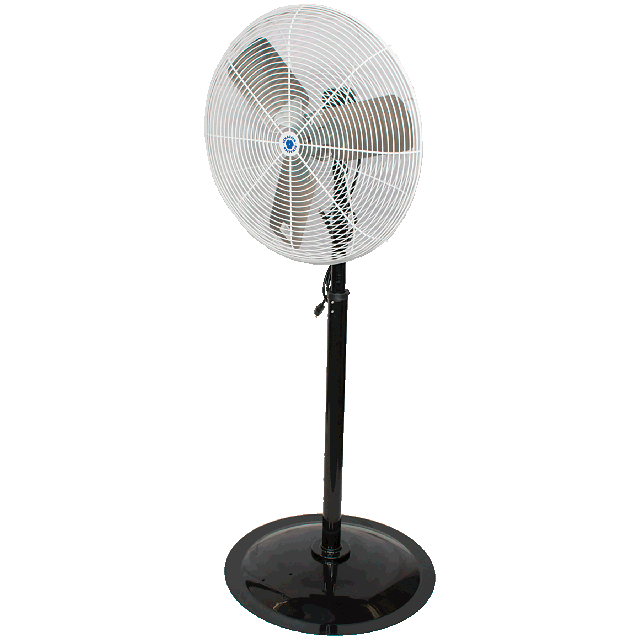
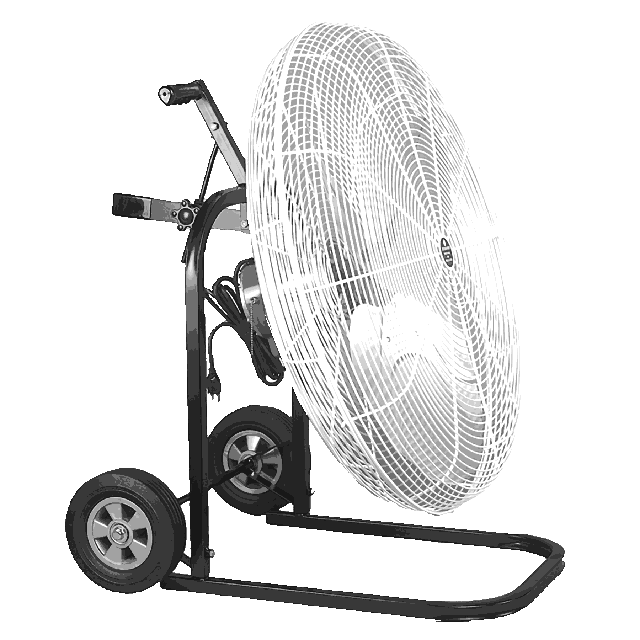
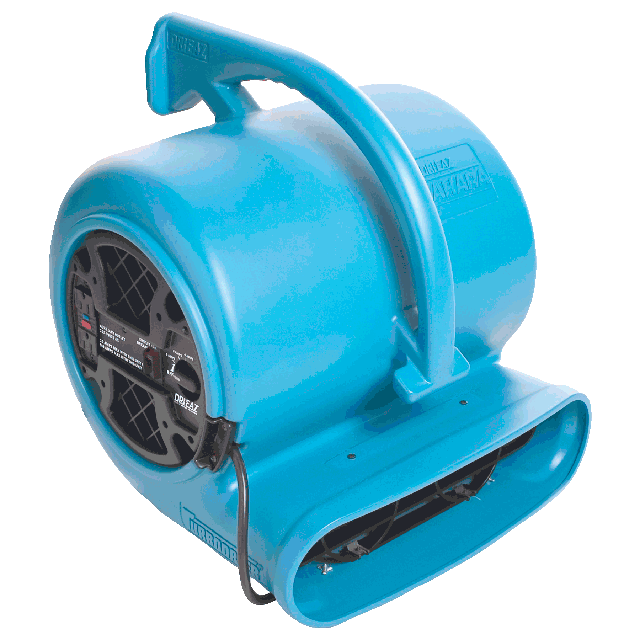
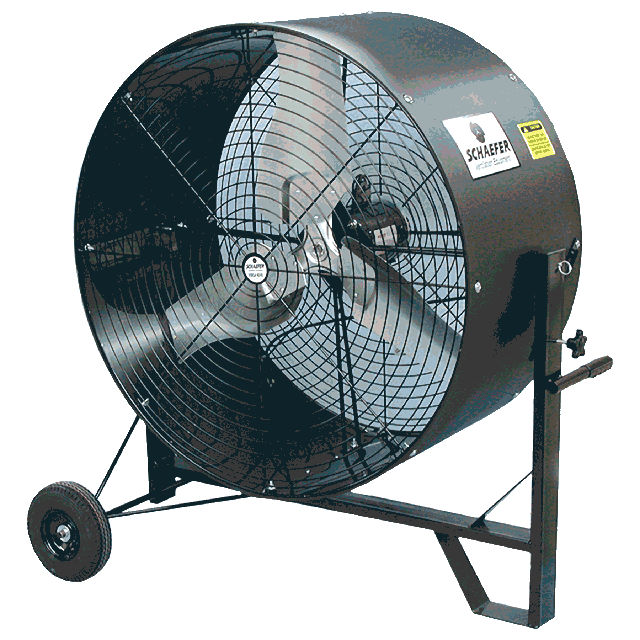
When you need to improve airflow quickly in a work area, floor fans and wheel-mounted fans are often the first solution to consider.
They are especially useful for:
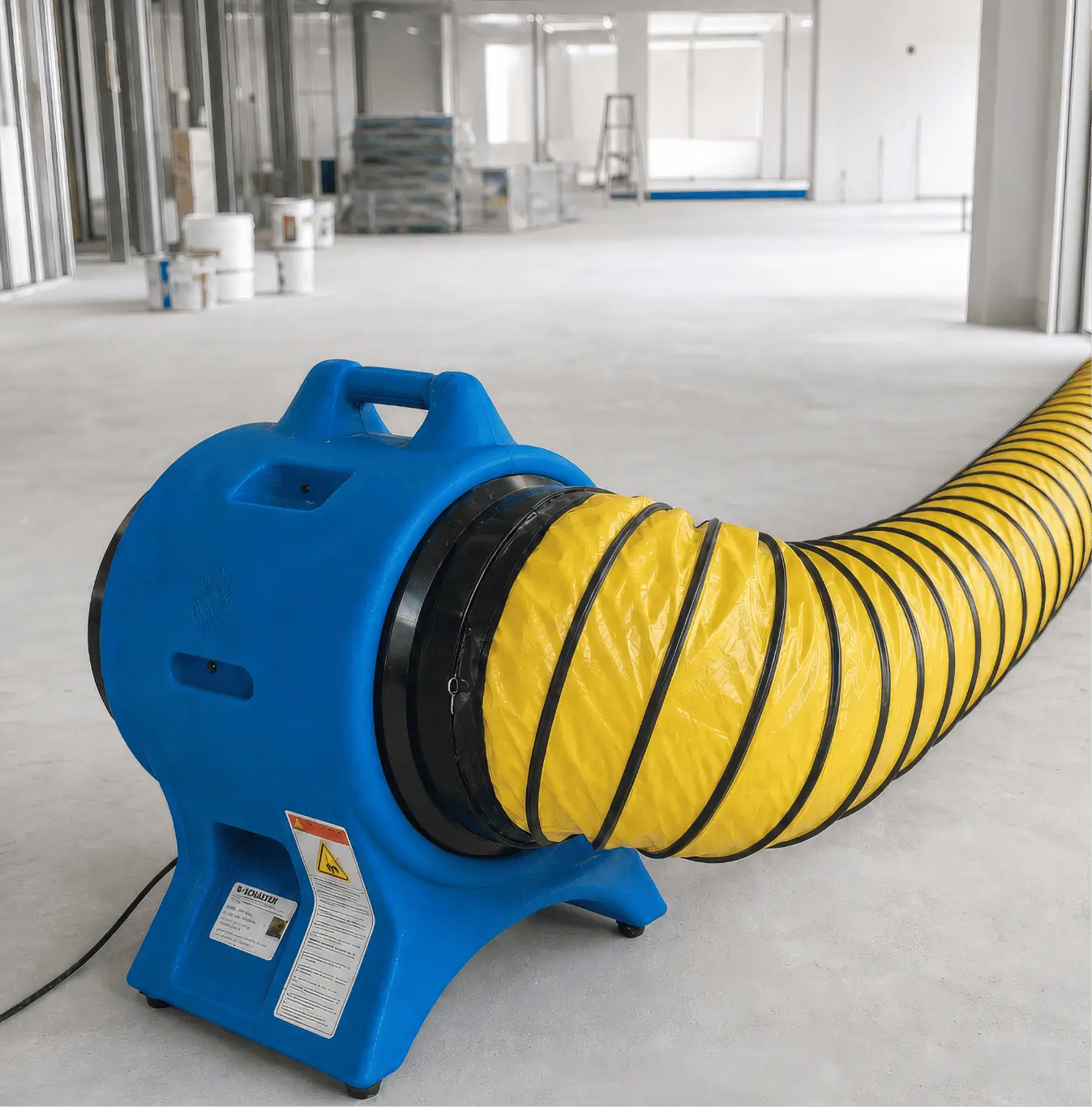
In enclosed areas or when airflow needs to be directed with greater precision, duct fans are an effective solution.
They allow air to be moved exactly where it is needed, making them ideal for confined spaces, temporary access points or applications that require more controlled airflow.
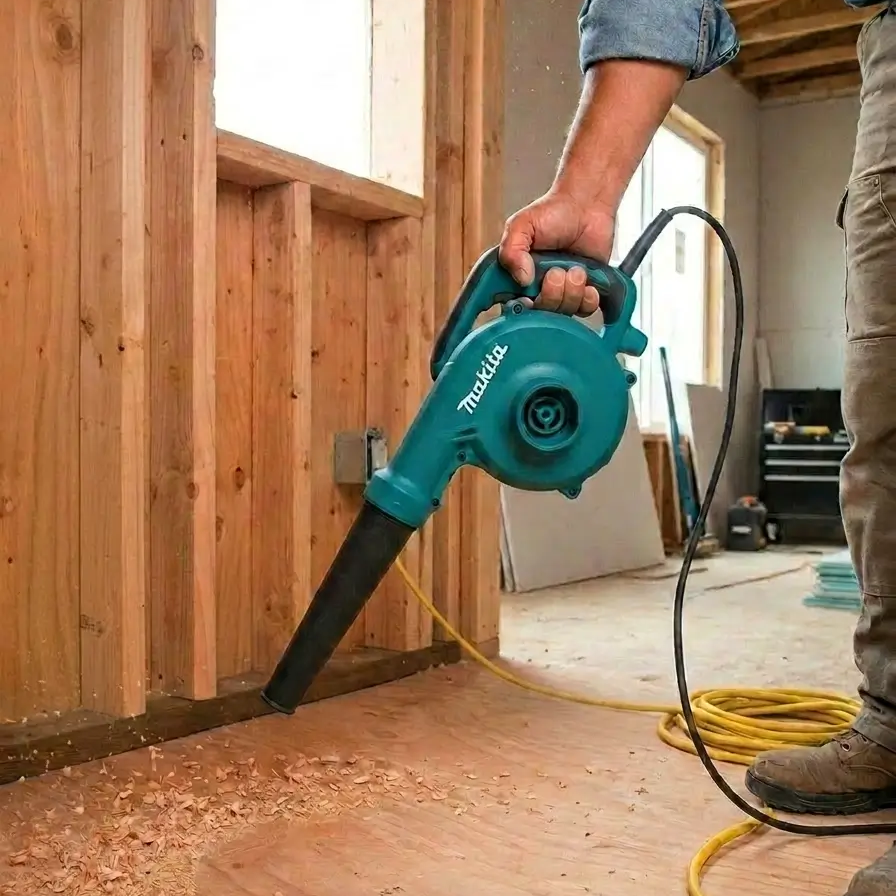
Portable blowers are compact, lightweight and easy to move from one work area to another. They are especially useful when a focused stream of air is needed, particularly for removing dust and debris in confined or hard-to-reach areas.
Their portability makes them a practical solution whenever equipment needs to be transported, set up and deployed quickly on the jobsite.
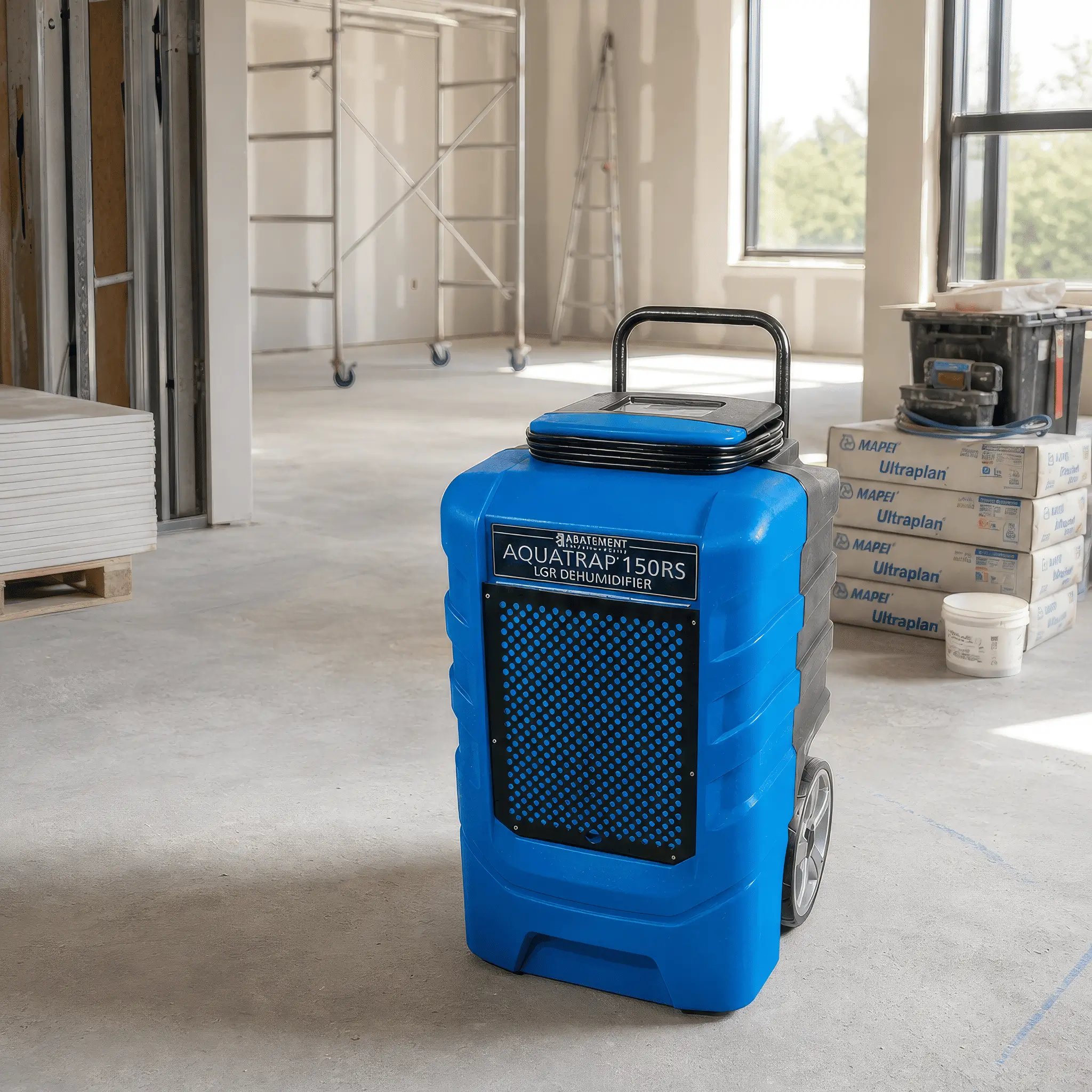
Ventilation is about more than just moving air. In many situations, controlling moisture is just as important.
After construction work, following water damage, in poorly ventilated spaces or in environments where conditions change quickly, a dehumidifier can make a significant difference.
In some environments, moving air alone is not enough. Air filtration is also essential.
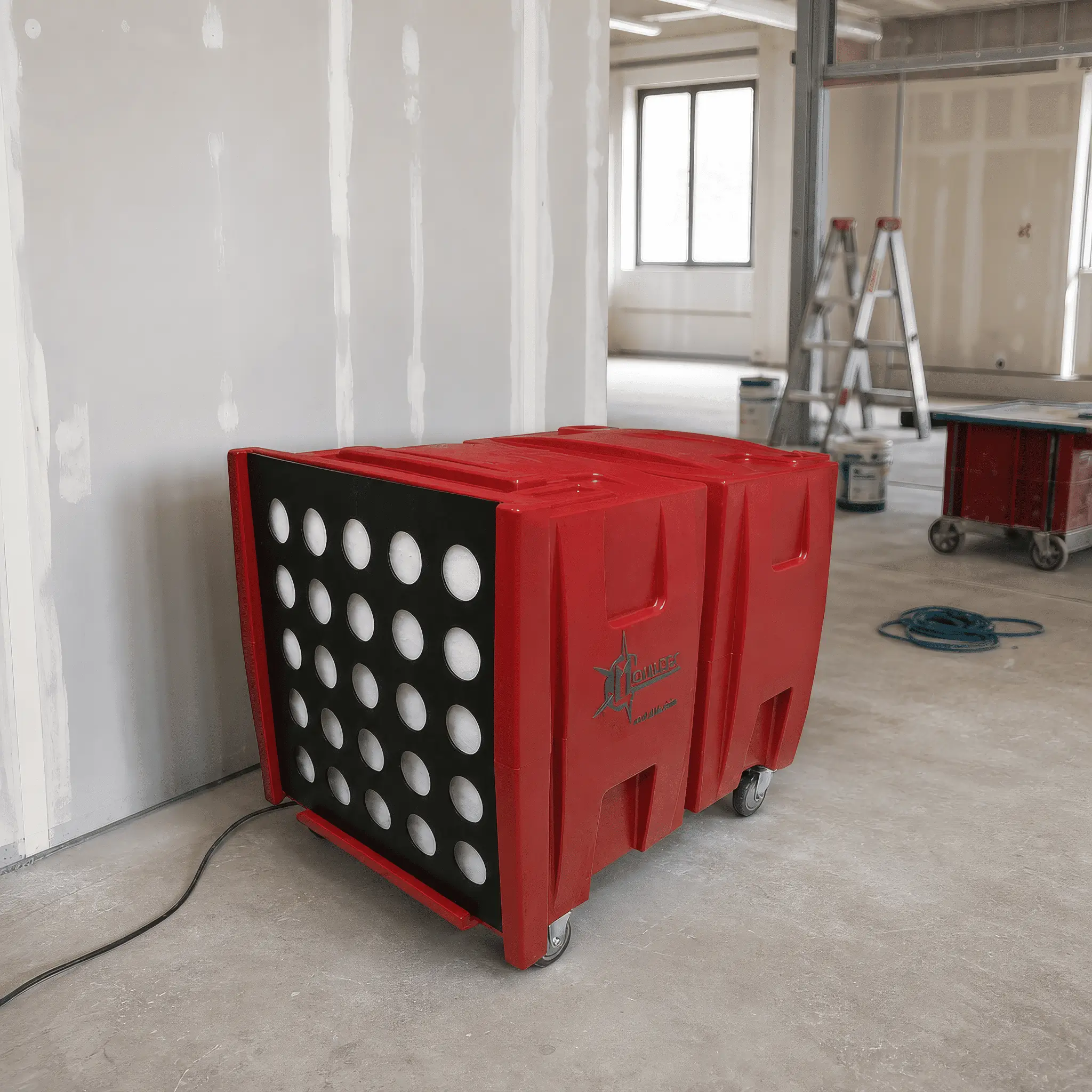
HEPA air scrubbers are designed for applications where indoor air quality requires extra attention. They help capture airborne particles and support projects with more demanding air quality requirements.
Some models, such as the VE2004 and VE2114, can also be used to create negative air pressure, helping prevent contaminated air from escaping into surrounding areas.
Before renting ventilation equipment, ask yourself a few simple questions:
Answering these questions will help you identify the right type of equipment and avoid renting equipment that is either too powerful or not suited to the job.
Renting allows you to choose the right equipment for each project without investing in equipment that may only be used occasionally.
Key benefits of renting include:
Whether you're working on a planned construction project, responding to water damage or handling a short-term job, renting gives you the flexibility to get the job done efficiently.
Yes. In enclosed spaces, equipment such as duct fans can direct airflow more precisely. Depending on the work environment and the requirements of the project, additional equipment such as HEPA air scrubbers or dehumidifiers may also be needed.
A construction fan improves airflow by moving air throughout the space, while a dehumidifier removes excess moisture from the air. These two types of equipment are often used together to speed up the drying of rooms, surfaces and building materials.
The drying time depends on several factors, including the extent of the water damage, the level of moisture, the affected materials and the equipment being used. Using construction fans together with dehumidifiers can help speed up the drying process.
Renting is often the better option when equipment is needed for short-term, seasonal or project-specific use. It gives you access to the right equipment without the costs and responsibilities of storage, maintenance or equipment replacement.