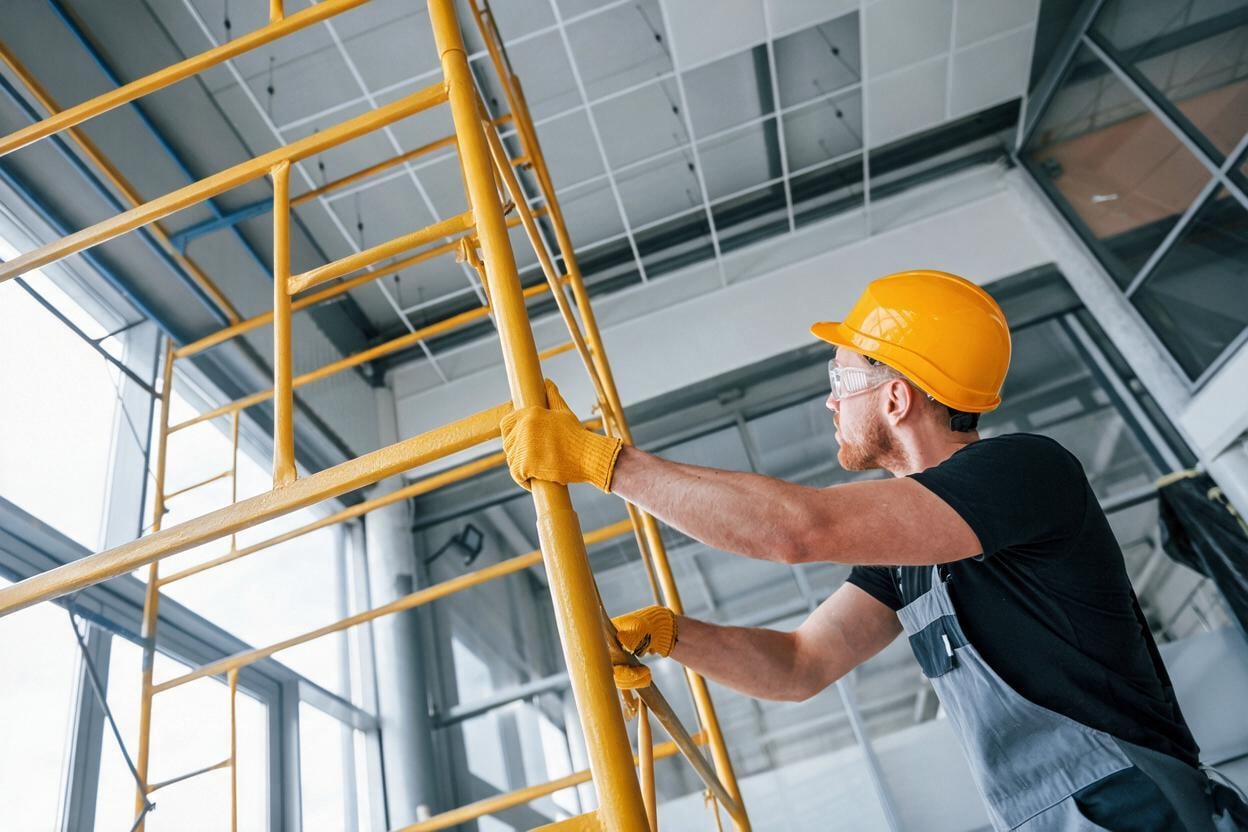
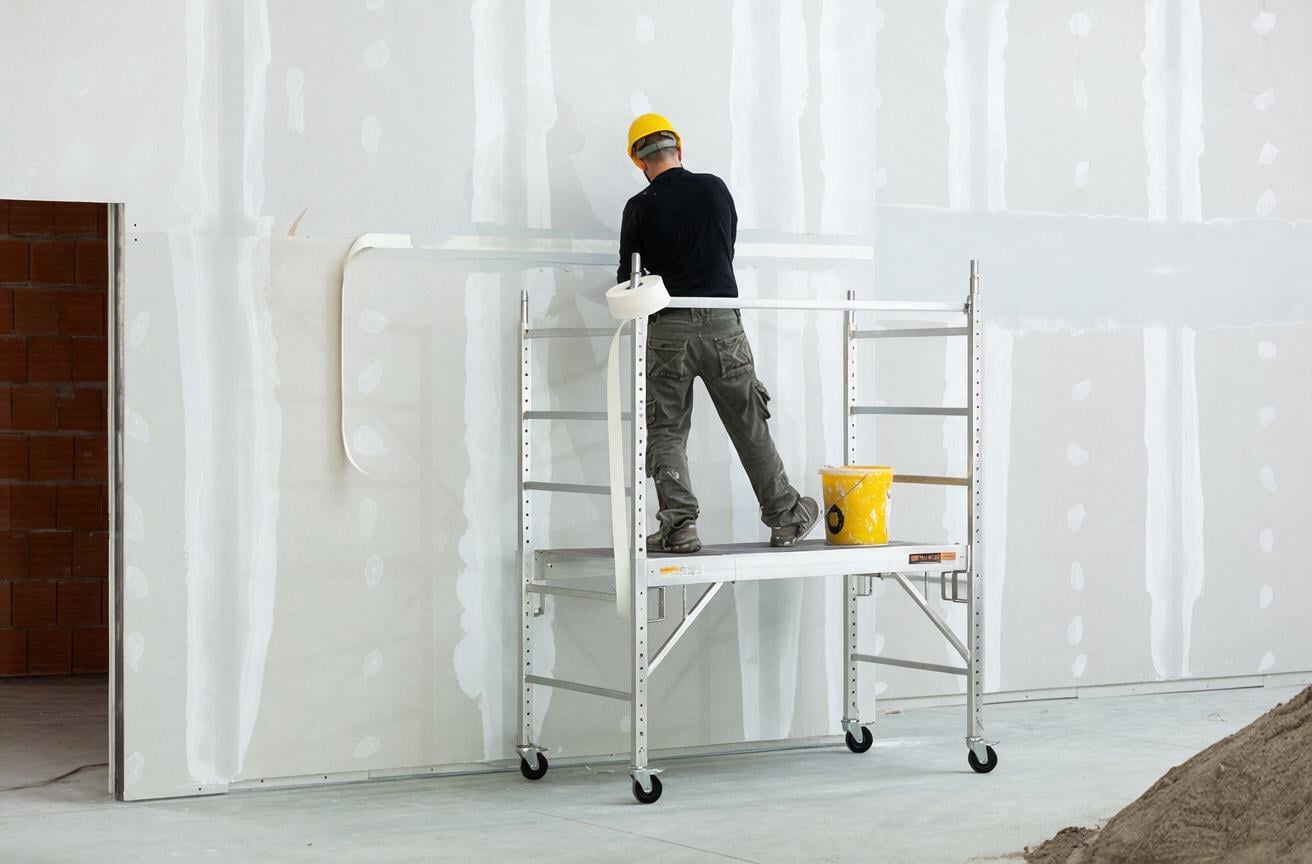
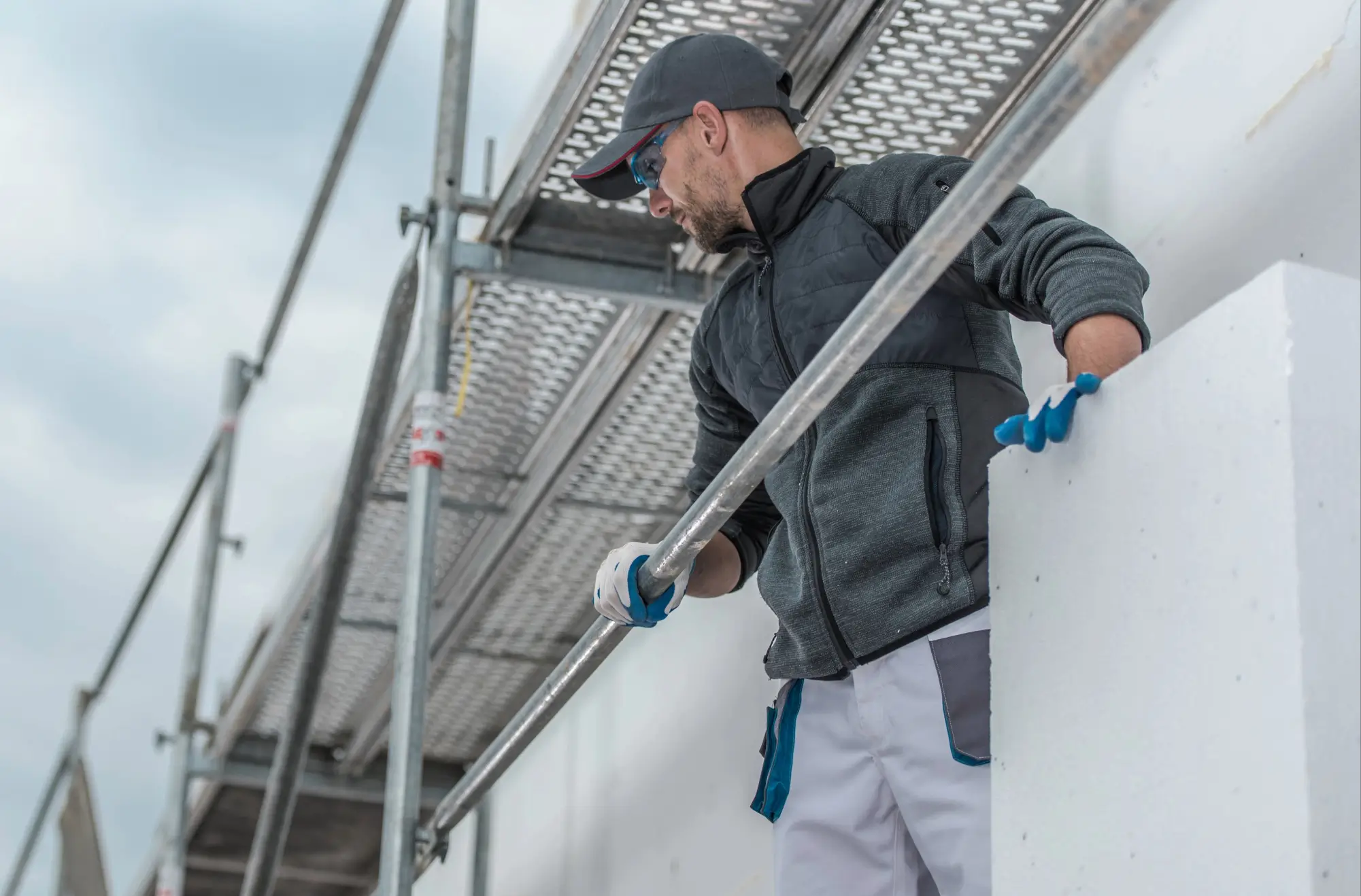
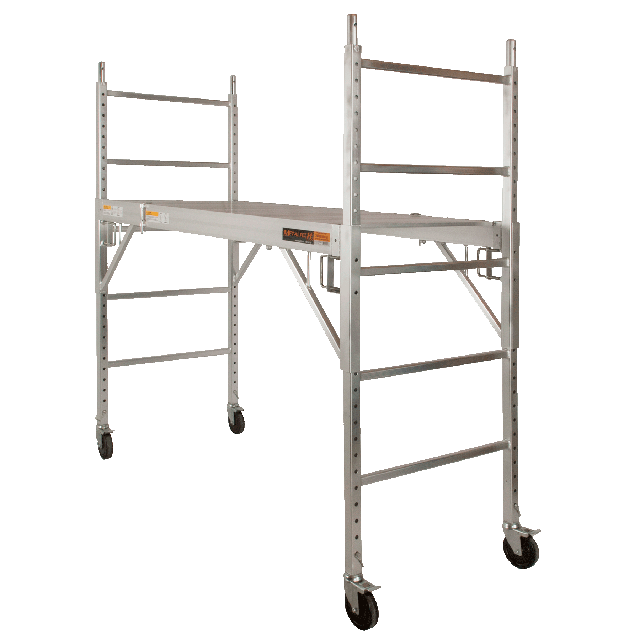
When a residential project requires working at height for an extended period, a simple stepladder isn’t always enough. Painting a façade, replacing siding, maintaining gutters, or working on soffits and fascia are all situations where renting scaffolding can provide a more stable, better-suited work surface. Here are some of the main residential projects where scaffolding rental is worth considering.
There is no single scaffolding configuration that works for every jobsite. Before choosing which components to rent, start by considering the actual site conditions: working height, available space, type of work, project duration and any jobsite-specific constraints.
The height you need to reach is one of the first factors to consider, but the area where the work will be performed is just as important. The tasks to be completed and the access required to carry them out will help you better define your needs before choosing scaffolding components.
The amount of ground space available also influences your choice of scaffolding. On a crowded jobsite, in an active work area or when several crews need to move nearby, consider the available space and access around the work area. The goal is to plan a setup that fits the realities of the jobsite without unnecessarily interfering with movement.
Façade renovations, service work and maintenance in an industrial setting do not have the same requirements. Before renting scaffolding, consider the tasks to be performed and the conditions in which crews will be working.
The duration of the work is another factor to consider. A short-term need and a setup that must remain in place for a longer period require different planning. Defining the expected duration from the start helps you better plan the rental and the needs of the jobsite.
Finally, some jobsites come with specific constraints, such as limited access, restricted space, occupied areas, ongoing traffic or other crews working nearby. Identifying these constraints before renting helps you better anticipate your needs and avoid adjustments once work is underway.
Scaffolding needs vary depending on the type of work and the environment in which it is performed. A façade renovation, work in a restricted space or an industrial project each come with different constraints. Here are the main factors to consider based on your type of jobsite.
For renovation or façade work, start by assessing the height and size of the area to be covered, as well as the available ground space. Access to the building and traffic around the work area should also be considered when determining your scaffolding needs.
In a restricted space or occupied building, the available ground space and site traffic become important considerations. Take into account the access points that need to remain clear, other crews on site and any activities continuing around the work area. Scaffolding should therefore be planned according to the space actually available and the specific constraints of the site.
For maintenance or industrial work, consider the area that needs to be reached, available access and ongoing operations on site. Equipment, sensitive areas or other crews may also affect planning. Identifying these constraints from the start helps you better define your scaffolding needs and coordinate the work more effectively.
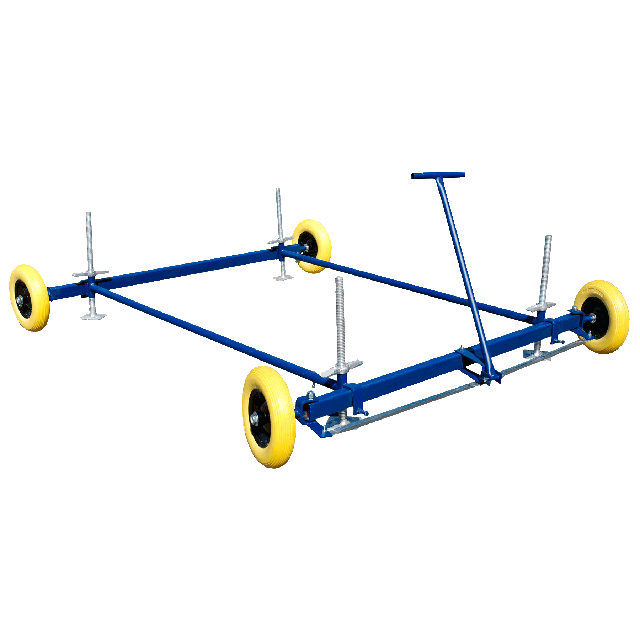
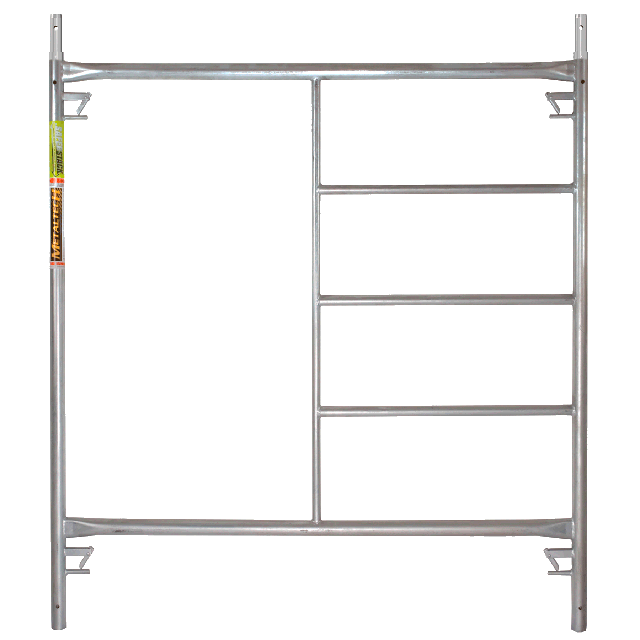
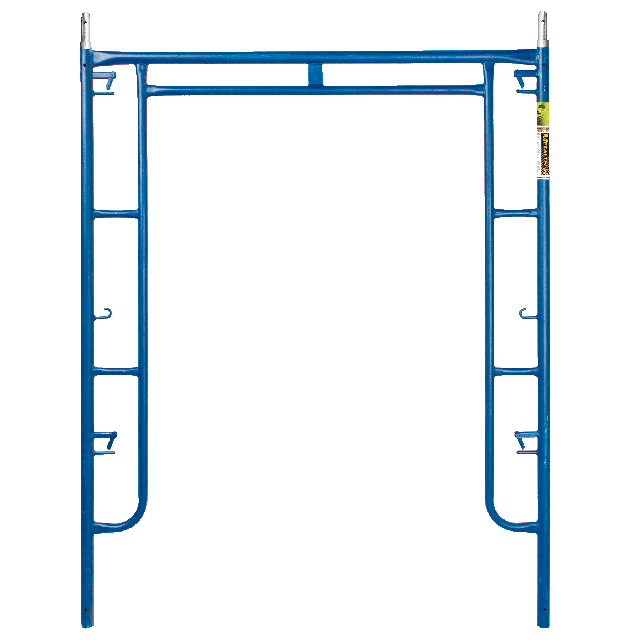
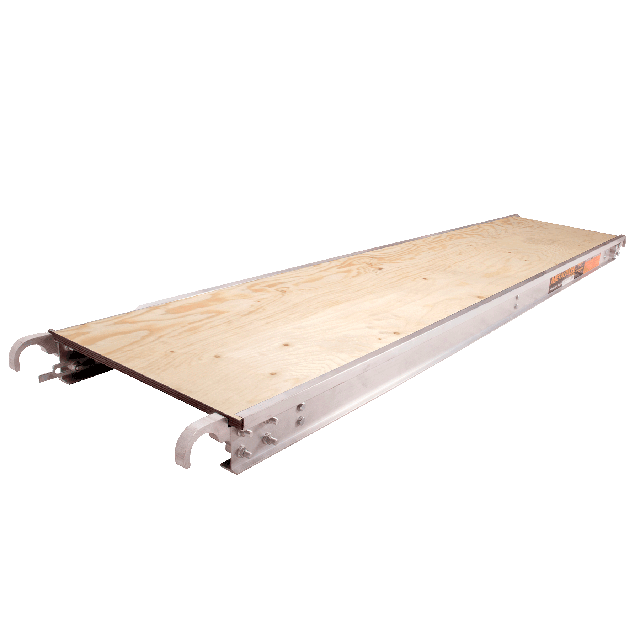
Choosing scaffolding involves more than just the structure itself. Depending on the needs of your jobsite, different components may be required, such as scaffolding frames, cross braces, platforms, guardrails or wall anchors. The components you need will depend on the desired configuration and site constraints. Identifying them before renting helps you better plan your needs and avoid missing components once you’re on the jobsite.
Start by assessing the working height, available space, type of work, traffic around the work area and any jobsite-specific constraints. The right choice depends primarily on the actual conditions in which the work will be performed.
Needs vary depending on the jobsite and the desired configuration. Components to consider may include scaffolding frames, cross braces, guardrails, platforms and wall anchors. The goal is to identify the necessary components before work begins to avoid missing anything once you’re on the jobsite.
It depends on factors such as how often you need scaffolding, the duration of the work and the configurations required from one jobsite to another. For temporary or changing needs, renting allows you to adapt the components to the current project rather than relying on a fixed inventory.